
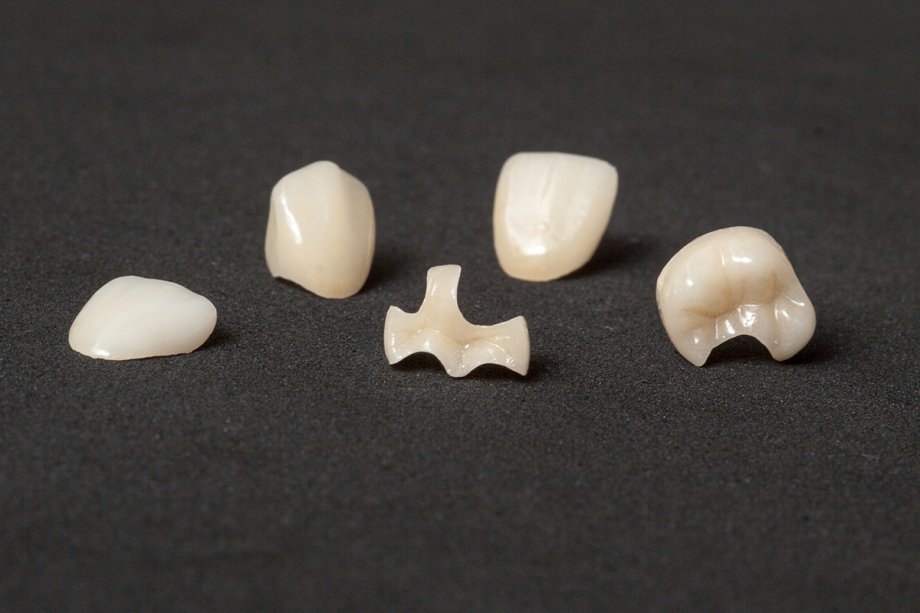
When cavity-causing bacteria damage your teeth, we step in and stop the decay before it threatens your overall oral health. Most patients are familiar with standard fillings and full dental crowns. However, we also address moderate damage with a different approach. We use specialized restorations to repair teeth when a standard filling provides insufficient support, but a full crown would require removing too much healthy enamel.
These precise restorations help us preserve as much of your natural tooth structure as possible. When we custom-fit these protective pieces to the exact shape of your cavity, we restore both the strength and the appearance of your smile. To help you understand your restorative dentistry options, we explain the specific differences between inlays and onlays below.
What Are Dental Inlays?
We repair decay or damage located specifically within the center of your tooth using a dental inlay. The treatment area sits precisely between the cusps, the outer rounded edges of your chewing surface. When a cavity grows too large for a traditional composite filling, we often recommend an inlay for superior structural support. Traditional fillings can weaken the surrounding enamel if the cavity spans a wide area, but an inlay strengthens the remaining tooth structure.
The Fabrication Process
We create inlays either in a dental laboratory or in-office using advanced digital imaging. We customize the shape from a solid block of porcelain, gold, or composite resin, so the final piece fits your tooth like a perfect puzzle piece. This precise fit keeps bacteria out of the space and prevents secondary decay.
Ideal Candidates for Inlays
We usually recommend an inlay when your tooth has moderate decay but still has strong, healthy outer cusps. This conservative method lets us fix the damage without grinding down the healthy parts of your tooth. Patients favor this approach because saving natural enamel supports better long-term oral health and creates a more comfortable bite.
Understanding Dental Onlays
An inlay fits inside the cusps of a tooth, while a dental onlay covers one or more of those outer cusps. Many dental professionals call onlays "partial crowns" because they offer similar benefits without removing as much enamel as full crowns do. If trauma or severe decay harms the biting edge of your molar, we often use an onlay to rebuild that section.
Restoring Structural Integrity
When you chew your food, your tooth cusps absorb most of the biting force. If decay weakens a cusp, normal chewing pressure can fracture the entire tooth. An onlay distributes this chewing force evenly across the tooth surface. When we replace the weakened cusp with durable porcelain or resin, we shield the underlying tooth from cracking under pressure.
Why We Choose Onlays Over Crowns
In the past, dentists often placed full crowns on any tooth with cusp damage. Today, we use advanced bonding techniques and choose onlays instead. This approach lets us save the healthy base and the unaffected sides of your tooth. When we keep your natural tooth structure, you heal faster and avoid nerve irritation. We always choose the most conservative treatment possible, and onlays give us an excellent way to restore function while respecting your natural anatomy.
Comparing the Two Treatments
Both inlays and onlays fall under the umbrella of [restorative dentistry](Restorative Dentists in Midtown East Manhattan | Dental Implants) and share a similar placement process. The primary distinction depends on the size of the restoration and whether the damage involves the tooth’s cusps.
The Treatment Experience
For both procedures, we numb the area and remove all decayed tissue. Next, we take a digital scan or a physical impression of the prepared tooth. When we work with an outside laboratory, we place a temporary restoration to protect your tooth while technicians craft your final piece. After the permanent restoration arrives, we check the fit, make sure your bite feels natural, and permanently bond the material to your tooth.
Longevity and Maintenance
Inlays and onlays last much longer than traditional composite fillings because we use incredibly strong materials like dental porcelain or gold. These restorations resist wear and tear beautifully. When you brush, floss, and schedule regular dental checkups, your new restoration protects your tooth for a decade or more. You maintain them just like your natural teeth, making daily care simple and stress-free.
Material Selection
You choose the material based on your aesthetic preferences and the location of the tooth. We usually recommend porcelain for visible teeth because it mimics the light-reflecting qualities of natural enamel. Many patients select gold for molars in the back of the mouth because it offers unmatched durability and feels gentle on opposing teeth. We discuss your bite force and cosmetic goals with you to select the best material for your needs.
Making the Right Choice for Your Smile
We make protecting your natural teeth our top priority. Whether you need an inlay to fill a deep central cavity or an onlay to rebuild a damaged cusp, both options deliver incredible durability and lifelike aesthetics. We always evaluate your tooth decay carefully and recommend the restoration that gives you the strongest, longest-lasting result. When you choose a conservative restoration, you keep your smile vibrant, functional, and healthy for years to come.
Frequently Asked Questions About Restorative Dentistry
Does placing an inlay or onlay hurt?
We make sure you feel completely comfortable before we start any restorative procedure. We numb the entire area with local anesthesia, so you only feel slight pressure as we work. After the numbness goes away, you might notice mild sensitivity to hot or cold for a few days. Over-the-counter pain relievers usually handle this temporary discomfort.
How do I know if I need a filling, an inlay, or a crown?
We determine the right treatment by carefully examining the size and location of your tooth decay. For small cavities that do not weaken the tooth’s structure, we choose fillings. When you have moderate damage and a filling would not provide enough support, we recommend inlays or onlays. For teeth with severe decay or large fractures, we select full crowns.
How long do dental inlays and onlays last?
With proper care, dental inlays and onlays often last ten years or longer. You maintain their longevity with good oral hygiene practices and regular dental checkups.
What materials do you use for restorative dentistry procedures?
We use high-quality dental porcelain, gold, and composite resins for restorative procedures. We choose the material based on the location of the tooth, your bite force, and your aesthetic preferences.
Will my dental insurance cover inlays and onlays?
Many dental insurance plans offer partial coverage for inlays and onlays. Coverage varies by your plan, so we help you review your benefits before starting treatment.
Does placing an inlay or onlay hurt?
We make sure you feel completely comfortable before we start any restorative procedure. We numb the entire area with local anesthesia, so you only feel slight pressure as we work. After the numbness goes away, you might notice mild sensitivity to hot or cold for a few days. Over-the-counter pain relievers usually handle this temporary discomfort.
How do I know if I need a filling, an inlay, or a crown?
We determine the right treatment by carefully examining the size and location of your tooth decay. For small cavities that do not weaken the tooth’s structure, we choose fillings. When you have moderate damage and a filling would not provide enough support, we recommend inlays or onlays. For teeth with severe decay or large fractures, we select full crowns.
At Meridian Dental Group, we proudly serve the Manhattan community with comprehensive, patient-focused dental care. We deliver high-quality cosmetic and restorative treatments tailored to your unique oral health needs. If you want to restore your smile or schedule a consultation, please get in touch with us today.