
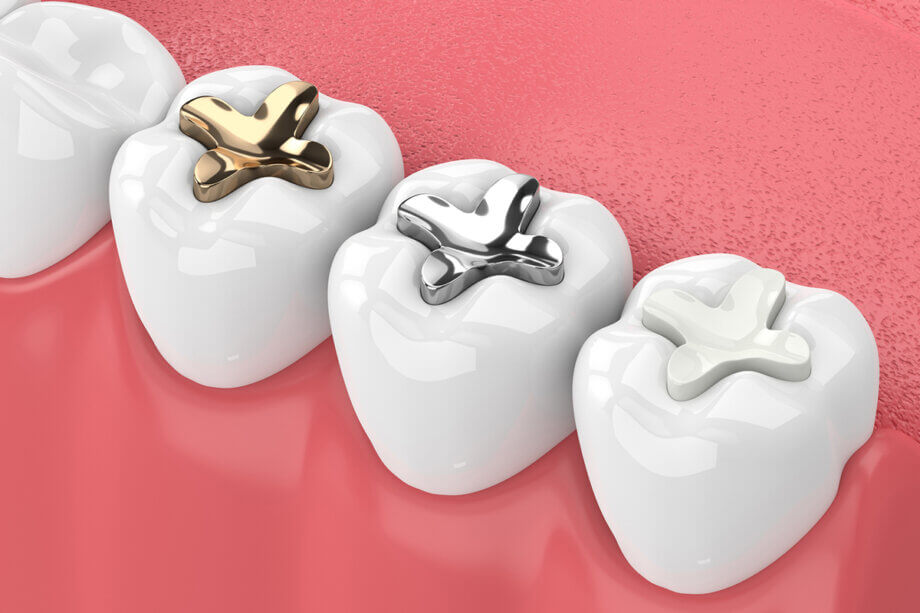
If you've had metal fillings for years, you may wonder whether they still do their job well. Older amalgam (silver) fillings have served patients for generations, but they don't last forever. Over time, they can wear down, crack, or pull away from the tooth, which opens the door to new decay.
At Meridian Dental Group, we help patients understand when a filling needs attention and which modern materials can replace it. Below, we walk you through the signs that a metal filling may need to be replaced, the tooth-colored options available today, and what the process looks like in our office.
Why Old Metal Fillings May Need Replacing
Metal fillings are durable, but they aren't permanent. The materials around and beneath an aging filling can change in ways that affect both your comfort and your long-term oral health. Knowing what to look for helps you act before a small issue becomes a bigger one.
Common Signs of a Failing Filling
Several signals suggest a filling deserves a closer look. You might notice new sensitivity to hot or cold, a rough or sharp edge, or visible cracks in the filling or the surrounding tooth. Some patients feel discomfort when chewing, while others notice darkening around the edges of an old restoration.
Amalgam fillings can also break down over time, allowing bacteria and decay to develop underneath the restoration. Because hidden decay isn't always easy to spot at home, regular checkups give us the chance to catch problems early. During an exam, we assess each filling and recommend replacement only when it is in your best interest.
Modern Alternatives to Metal Fillings
When a metal filling needs replacing, you have more choices than ever. Today's materials blend strength with a natural appearance, so your restoration can protect the tooth while staying nearly invisible. Each option suits a different level of damage, and we help you choose the right fit.
Tooth-Colored Composite Fillings
Composite fillings use a tooth-colored material that we custom-match to your natural shade. Unlike older silver fillings, composites blend in and stay inconspicuous. We bond the material directly to the tooth structure, reducing the risk of leakage at the edges.
The process is straightforward. After we remove the decay, we fill the tooth with composite material and harden it with a specialized curing light. We can complete many composite fillings in a single visit, making them a convenient choice for smaller restorations.
Inlays, Onlays, and Crowns
For teeth with extensive decay or significant fractures, a simple filling may not be enough. Inlays and onlays offer a middle ground. We can conserve more of the natural tooth structure with inlays and onlays than with a full crown, while still providing strength. We custom-match them to your tooth color and bond them securely in place, making them virtually undetectable.
When a tooth is severely worn, cracked, or decayed, a crown may be the better solution. A crown covers the entire outside of the tooth and restores its original shape and function. Non-metal crowns deliver an attractive result without the dark edges that some porcelain-metal crowns can create. To explore all of these options, learn more about our restorative dentistry services.
What to Expect When Replacing a Filling
Replacing an old filling is a routine procedure, and knowing the steps can ease any nervousness. Our goal is to keep you comfortable while we restore the tooth to full strength and a natural look. The material we choose and the size of the restoration determine the timeline.
The Replacement Process Step by Step
We begin with an exam and, when needed, an X-ray to check the tooth and the area beneath the old filling. After we numb the area, we carefully remove the existing metal filling along with any decay we find. Removing the old material gives us a clean foundation on which to place the new restoration.
Next, we place the new material based on your treatment plan. We cure and shape a composite filling in the same appointment, while an inlay, onlay, or crown may involve an impression and a follow-up visit. Throughout the process, we focus on preserving as much healthy tooth structure as possible, which supports the tooth's long-term health.
Caring for Your New Restoration
Your new restoration lasts longer when you care for it well. Brush twice a day, floss daily, and keep up with your routine cleanings and exams. Good habits protect both the restored tooth and the surrounding teeth.
We also recommend that you report any changes you notice, such as sensitivity or a change in your bite. Quick communication helps us address small concerns before they grow. With consistent care, your new restoration can serve you well for years.
Making the Right Choice for Your Smile
Replacing an old metal filling is about more than appearance. The right restoration at the right time can protect your oral health, support your overall well-being, and reduce the need for additional dental work down the road. Modern tooth-colored materials deliver a result that looks natural and feels comfortable.
At Meridian Dental Group, we take a conservative approach that preserves your natural tooth whenever possible. If you've been wondering about the fillings you've had for years, a simple exam can give you clear answers. Together, we can decide whether replacement makes sense and choose the option that best fits your needs.
Frequently Asked Questions About Restorative Dentistry
What is restorative dentistry?
Restorative dentistry focuses on repairing and replacing damaged or missing teeth. We aim to protect your oral health, improve function, and restore a natural-looking smile. Common treatments include fillings, crowns, inlays, onlays, bridges, and dental implants.
Are tooth-colored fillings as strong as metal fillings?
Composite fillings bond directly to the tooth, which adds support and reduces the chance of leakage at the edges. For larger areas of damage, we may recommend an inlay, onlay, or crown made from durable porcelain or other non-metal materials. We help you choose the option that offers the best balance of strength and appearance for your specific tooth.
How long do dental restorations last?
The lifespan of a restoration depends on the material, the size, and how well you care for it. Good oral hygiene and regular dental visits help your restorations last as long as possible. We monitor your existing restorations at each checkup and let you know if any need attention.
Will replacing a filling hurt?
Replacing a filling is typically not a painful process. Before starting, we ensure your comfort by numbing the area with a local anesthetic, so you won’t feel any discomfort during the procedure. You may feel slight pressure or vibrations from the dental tools, but this is normal and should not be painful.
How do I know if I need a crown instead of a filling?
A filling works well for smaller areas of decay or damage. When a tooth is severely cracked, worn, or decayed, it may need a crown to cover and protect it. During your exam, we evaluate the tooth and recommend the restoration that offers the right level of support.
Meridian Dental Group provides restorative and general dental care to patients in Midtown East, NYC. We focus on conservative, natural-looking treatments that help our patients protect their smiles for the long term. To schedule a visit or ask a question, get in touch with us.